
Modern geospatial data capture has moved beyond static ground surveying to fast, dynamic airborne and mobile platforms. The key enabler is the Inertial Navigation System (INS), fusing high-precision inertial sensors with GNSS for real-time position, velocity, and orientation.
Core Advantage: Direct Georeferencing
INS attaches accurate real-world coordinates instantly to LiDAR, imagery, and other sensor data—delivering centimeter-level precision with minimal ground control, even in GNSS-challenged areas.
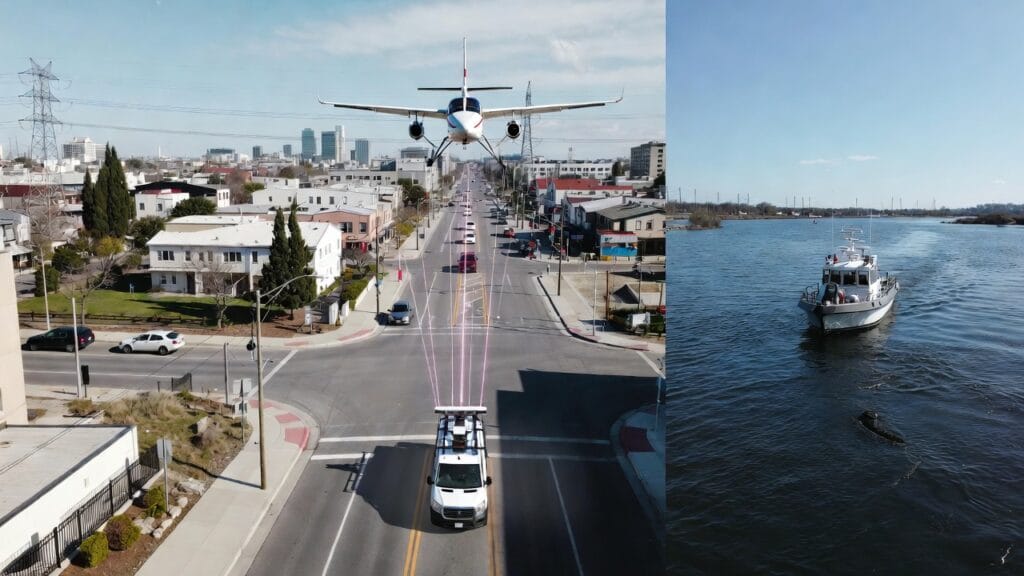
Primary Applications
- Mobile LiDAR for infrastructure, utilities, and forestry.
- Aerial corridor mapping of power lines, pipelines, and railways.
- Bathymetric surveying with motion compensation.
- Real-time deformation monitoring of bridges, dams, and terrain.
Benefits
- Projects completed in days instead of months.
- Safer remote data collection in hazardous zones.
- Dense, reliable datasets for digital twins and asset management.
INS has elevated geomatics to real-time, high-accuracy reality capture—essential for today’s infrastructure and civil engineering projects.
Ready to discuss high-precision INS for your UAV or mobile workflows? Contact us.
#Geomatics #Surveying #LiDAR #INS #InertialNavigation #Mapping #Drones #AerialSurvey #DigitalTwin #CivilEngineering #Geospatial


Add comment